BEIJING, Dec. 30 (Xinhua) -- Two years on, supply-side structural reform remains the centerpiece of China's economic agenda, but priorities have shifted as high-speed growth is giving way to high-quality development.
Initiated in 2015, the reform has focused on five fronts -- pruning overcapacity, clearing up the large inventory of unsold homes, curbing debt levels, lowering business costs and tackling weak links.
It has yielded the desired results, promoted economic restructuring, and stabilized growth in the world's second-largest economy.
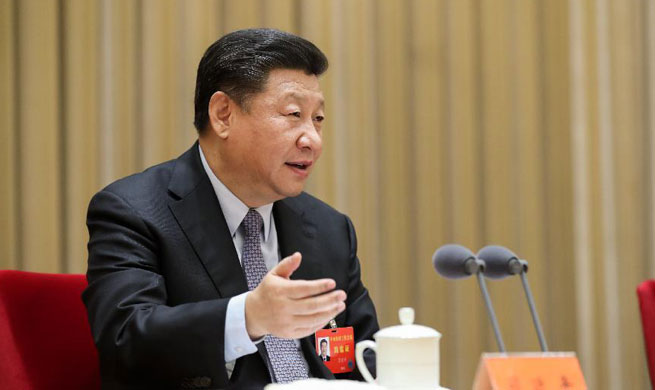
The country will deepen reform in 2018, focusing on eradicating ineffective capacity, fostering new drivers of growth and cutting costs in the real economy, the central authorities declared at a tone-setting economic meeting this month.
TACKLING EXCESS CAPACITY
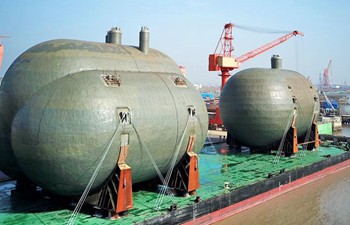
Like many other over-staffed steel producers, Magang (Group) Holding Company, or Masteel, is in the middle of downsizing.
The steel complex in eastern Anhui Province has cut nearly 5 million tonnes of outdated capacity. The capacity reduction boosted the company's profitability. Net profit of the Masteel's Shanghai-listed branch more than doubled from a year earlier to 2.74 billion yuan (nearly 420 million U.S. dollars) in the first three quarters.
The case is common in glutted steel and coal sectors, where the government is pushing for consolidation.
Pledging continued efforts to address overcapacity, policy makers agreed on measures to eliminate ineffective supply in 2018, at the Central Economic Work Conference, with dealing with debt-ridden, loss-making "zombie enterprises" highlighted.
China has made headway in phasing out overcapacity, a significant part of its ongoing economic restructuring. Annual targets of slashing steel capacity by around 50 million tonnes and coal by at least 150 million tonnes were fulfilled in August and October, respectively.
UBS economist Wang Tao said China was likely to start promoting capacity upgrades next year in addition to reduction and further restriction of coal and thermal power from 2018 to 2020.
FOSTERING NEW ENGINES
As economic growth has slowed and traditional growth engines lost steam, the country has turned to innovation, hoping new technology, industries and business models will provide the strength for future growth.
At the 19th National Congress of the Communist Party of China, which charts the course for the country's future development, innovation has been labeled as the primary driving force behind development.
China has worked to create a supportive environment for innovation, including investment, policy support and a strong market environment.
Increasing R&D input, which is second only to the United States, and favorable policies, including financial services, better protection of intellectual property rights and easier market access, fueled innovation and entrepreneurship.
For the coming year, the government will continue to foster new growth drivers, and push technological innovation and upgrading of traditional industries.
"China should strive to make major breakthroughs in basic science and technology as well as original innovations," said Zhang Xiaoqiang, executive deputy head of the China Center for International Economic Exchanges, a government think tank.
BUSINESS BURDENS DOWN
Tax reduction has been a viable option to stimulate businesses when economic growth slows.
More than 1 trillion yuan was saved for Chinese businesses from May 2016 to September 2017 due to the implementation of value-added tax, the most significant tax overhaul for two decades.
The tax reduction was only part of a bigger burden-relief plan for businesses, which will be a major task of supply-side structural reform in 2018.
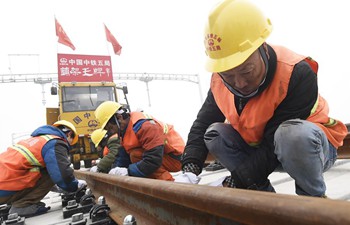
Business burdens will be reduced through fewer government-imposed transaction costs and administrative charges, according to the recent economic work conference. Energy and logistics spending will decline through reforms in the power, oil and natural gas, and railway sectors.
The government has also promised to continue cutting red tape and giving full play to the market. In the first three quarters, the number of businesses registered each day stood at 16,500, up from 15,000 in 2016.
"For higher economic quality and efficiency, China needs to motivate people to innovate, create new things and set up businesses," said Wang Jun, an economist with Zhongyuan Bank.