
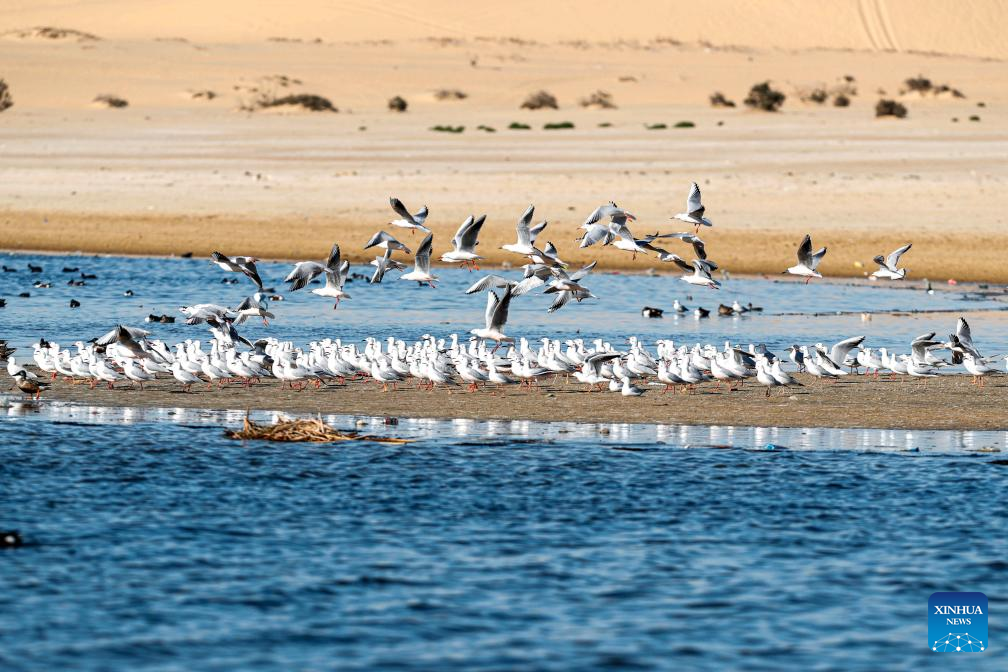
Migratory birds are seen at the marshes of El Rayyan Valley and the shores of Lake Qarun, Fayoum, Egypt, Jan. 29, 2026. (Xinhua/Ahmed Gomaa)
FAYOUM, Egypt, Jan. 30 (Xinhua) -- For decades, wealthy sportsmen flocked to the ancient oasis of Fayoum, 100 kilometers southwest of Cairo. Under Egypt's wide skies, they carried rifles into the marshes along the African-Eurasian flyway -- a natural highway linking Europe, Asia, and Africa.
However, in recent years, a remarkable shift has occurred.
Today, in wetlands where gunfire once echoed, a different sound fills the air: the soft click of camera shutters and the hushed reverence of visitors who come not to kill, but to observe.
The marshes of El Rayyan Valley and the shores of Lake Qarun were designated nature reserves in 1989, but the most profound change has taken hold only in recent years. Now, millions of migratory birds, including flamingos, ducks, and herons, find sanctuary here, pausing in their epic journeys from the frozen reaches of Europe and Asia to rest, feed, and survive the arduous passage south.
In protecting them, Egypt has stumbled upon an unexpected lesson: conservation can be both moral and practical.
Ibrahim Daif, a 45-year-old tourist guard who grew up in Fayoum, has lived both chapters of this story. At age eight, he followed foreign hunters into the wetlands with his brothers, showing them where birds gathered, unaware of the danger.
"My brothers knew where the birds hid," he said.
Today, Daif scans the same marshes through binoculars, tracking the sweep of a greater flamingo or the quick movements of a ferruginous duck. He guides visitors not toward prey, but toward understanding.
The shift has transformed both his livelihood and the landscape. Daif earns about 100 U.S. dollars for each guided outing, typically lasting a few hours. On busy days, he can lead two groups, arranging trips through social media and specialized tour operators.
"Now my two brothers and I are among the most famous and trusted guides in Fayoum," he said with pride, noting that photographers stay the longest, especially those who understand what they are seeing and recognize the privilege of bearing witness.
Egypt's Ministry of Environment has begun promoting bird migration as a tourism asset. Along the Red Sea, officials say wind turbines can now be temporarily shut down during peak migration periods to reduce bird deaths.
"The government is doing important work in the protected areas," Daif said. "It shows conservation can create jobs."
Others have taken a similar path. Ahmed Mansour, 42, trained through international programs on migratory routes and bird ecology. He now offers tours that combine desert travel with birdwatching. The lakes, he said, are slowly recovering, drawing back species that had vanished for years.
Just an hour and a half from Cairo, city residents are rediscovering something in Fayoum that has gone lost in the modern world. Khaled Omar, 34, said watching a heron lift from the shallows brought him not entertainment, but calm.
"When you watch a bird move with such effortless grace," he said from beneath a tree at Lake Qarun, "you realize that nature does not need our intervention. It just needs our respect."
For Laila Ali, a businesswoman who once visited Fayoum mainly for its mild climate, the transformation has been personal. She now spends weekends photographing birds as flamingos gather along the lake, tinting the water pink.
Learning how far they have traveled -- thousands of kilometers from Europe -- has changed the way she thinks about nature, and about people.
"It makes you feel small," she said. "In a good way." ■

Migratory birds are seen at the marshes of El Rayyan Valley and the shores of Lake Qarun, Fayoum, Egypt, Jan. 29, 2026. (Xinhua/Ahmed Gomaa)
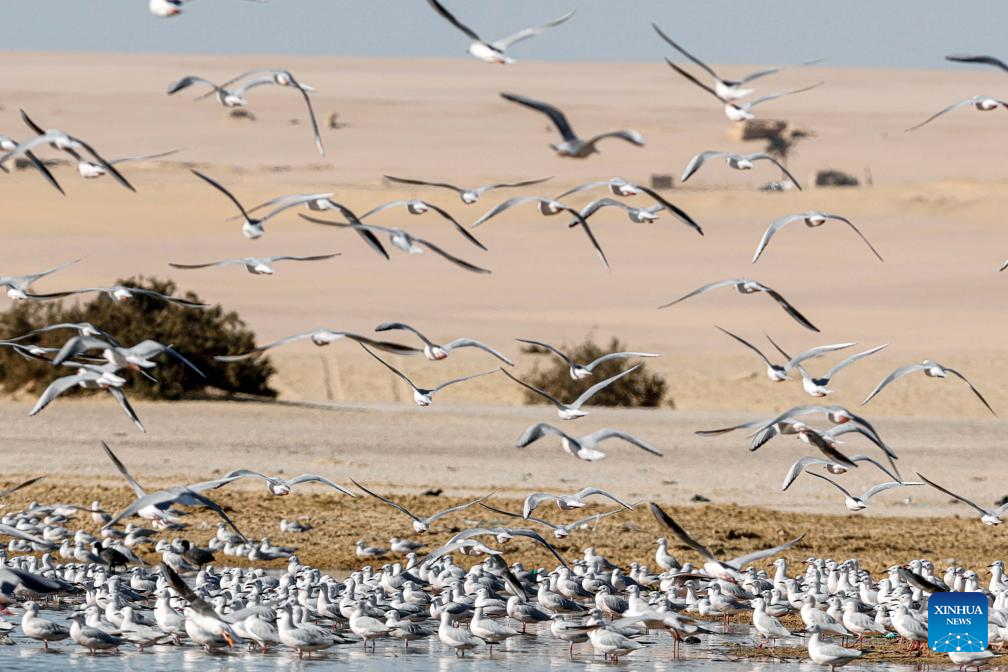
Migratory birds are seen at the marshes of El Rayyan Valley and the shores of Lake Qarun, Fayoum, Egypt, Jan. 29, 2026. (Xinhua/Ahmed Gomaa)
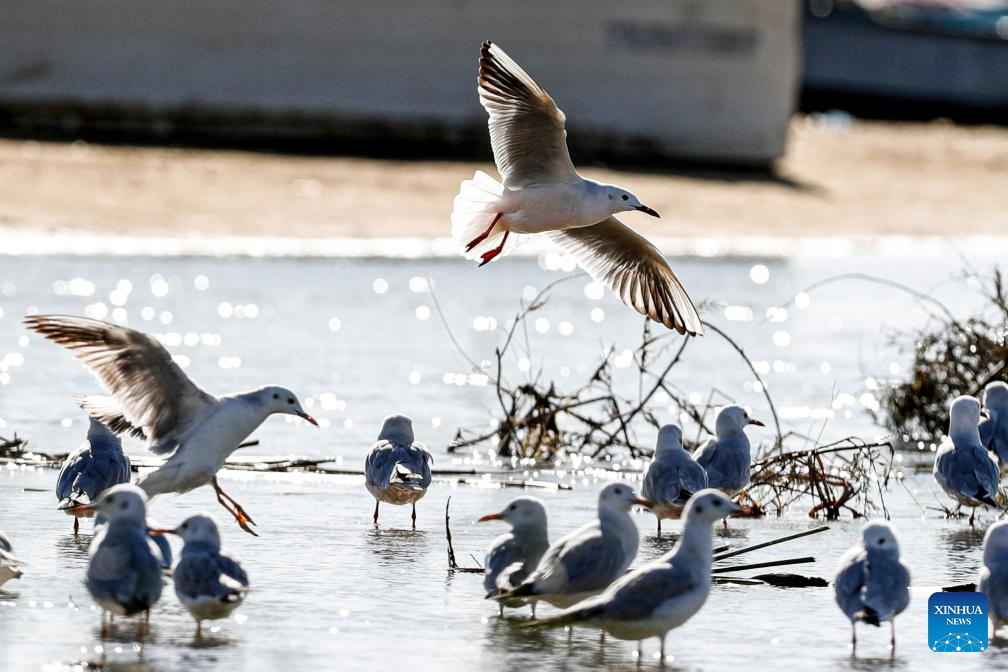
Migratory birds are seen at the marshes of El Rayyan Valley and the shores of Lake Qarun, Fayoum, Egypt, Jan. 29, 2026. (Xinhua/Ahmed Gomaa)
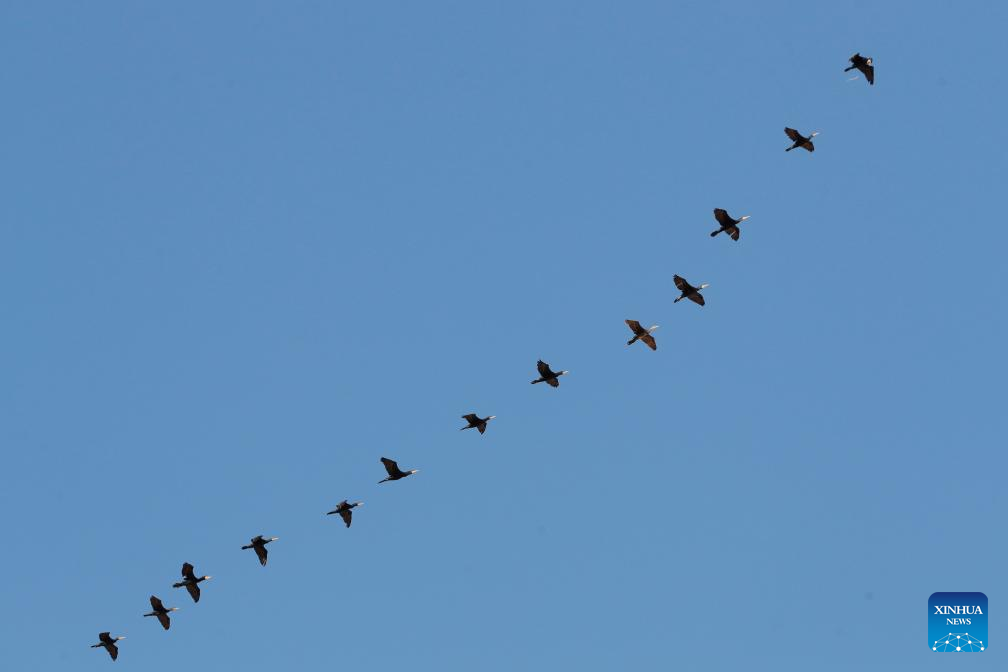
Migratory birds are seen in Fayoum, Egypt, Jan. 29, 2026. (Xinhua/Ahmed Gomaa)

Migratory birds are seen at the marshes of El Rayyan Valley and the shores of Lake Qarun, Fayoum, Egypt, Jan. 29, 2026. (Xinhua/Ahmed Gomaa)
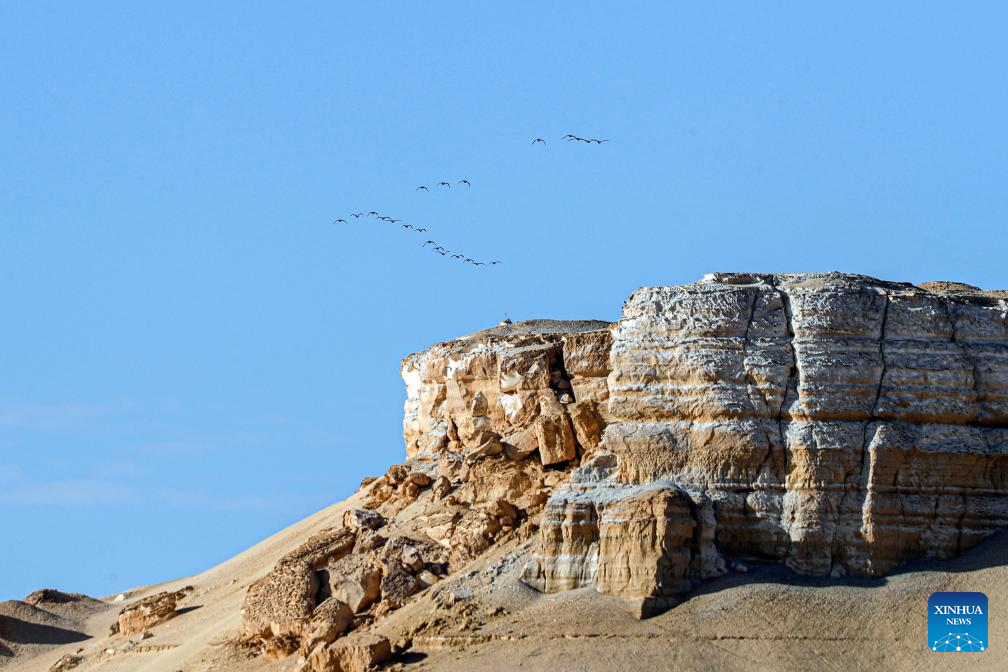
Migratory birds are seen in Fayoum, Egypt, Jan. 29, 2026. (Xinhua/Ahmed Gomaa)